Stockinette Bags for Agriculture’ The Complete Guide to Sizing, Material Types, and Best Uses for Produce Protection

stockinette bags

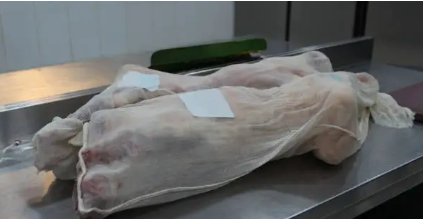
Stockinette bags for agriculture are one of the most practical and cost-effective solutions for protecting harvested produce during handling, storage, and transport. Across Australian farms—particularly in high-output horticulture regions such as Queensland, South Australia, and Western Australia—these mesh-style protective sleeves are widely used to reduce bruising, improve airflow, and maintain product quality from field to market. Choosing the right stockinette bags is not just about convenience; it also directly affects post-harvest loss rates, packaging efficiency, and, ultimately, farm profitability.

This guide breaks down everything growers and packers need to know, including sizing, material composition, and the most effective agricultural applications.

What Are Stockinette Bags and Why Do They Matter in Agriculture

Stockinette bags are flexible tubular mesh sleeves typically made from knitted polyethylene (PE) or polypropylene (PP). Unlike rigid packaging, they conform closely to produce, creating a cushioned barrier that helps prevent abrasion and impact damage.

In Australian agriculture, they are especially important for delicate and semi-delicate crops such as citrus, avocados, onions, garlic, and some root vegetables. Their breathable structure allows moisture to escape, reducing the risk of mould development during transport—an important consideration in humid regions like coastal Queensland.

By combining lightweight design with high durability, stockinette bags provide an efficient packaging solution for both small-scale growers and large commercial packing operations.

Sizing and Capacity: Choosing the Right Fit for Your Produce

Selecting the correct size is critical for both protection and operational efficiency. Stockinette bags are generally measured by width (flat or tube diameter) and length, and they are often supplied in rolls for automated or semi-automated packing systems.

Common sizing categories include:

● Small (10–20 cm width): Ideal for garlic bulbs, shallots, and small citrus varieties

● Medium (20–35 cm width): Commonly used for onions, oranges, and medium avocados

● Large (35–50 cm+ width): Suitable for bulkier produce such as pumpkins or large melon varieties

When sizing, Australian growers often factor in both fruit expansion and airflow needs. Overfilling bags can lead to compression damage, while undersized bags reduce packing efficiency and increase labour costs.

It is also important to match bag length to packaging workflow—longer continuous rolls are preferred in high-throughput packing sheds, while pre-cut options are used in smaller operations or farmgate sales.

Material Types and Their Performance Differences

Material selection significantly affects durability, UV resistance, and environmental performance. Most modern agricultural mesh bags are made from synthetic polymers designed to withstand mechanical stress and outdoor conditions.

The two most common material types are:

1. Polyethylene (PE) Stockinette

PE-based mesh is lightweight, flexible, and cost-effective. It offers good moisture resistance and is widely used for general produce packaging. In Australian conditions, PE performs well in short- to medium-term storage but may degrade under prolonged UV exposure unless treated.

2. Polypropylene (PP) Stockinette

PP mesh is stronger and more rigid than PE. It provides better tear resistance and is often chosen for heavier produce or longer transport cycles across Australia’s interstate logistics routes. It also tends to have improved UV stability, making it suitable for outdoor staging areas.

Some suppliers also offer UV-stabilised blends or colour-coded variants, which help differentiate products and improve traceability in large-scale agricultural operations.

Best Agricultural Uses Across Australian Farms

Stockinette packaging is deeply integrated into Australia’s horticultural supply chains due to its adaptability and low unit cost. In regions such as the Riverland (SA), Bundaberg (QLD), and Swan Valley (WA), growers rely on mesh bags for efficient post-harvest handling.

Typical applications include:

● Citrus packing: Oranges and mandarins benefit from airflow and reduced surface moisture buildup

● Onion storage: Mesh structure prevents sprouting and allows curing during storage

● Avocado handling: Reduces pressure bruising during transport and retail display

● Garlic and small produce: Ideal for bundling and retail-ready packaging

Beyond fresh produce, stockinette bags are also used in nursery operations for bulbs and seedlings, where drainage and airflow are critical to plant health.

In automated packing facilities, these bags integrate easily with weighing and sealing systems, helping improve throughput without sacrificing product integrity.

Key Buying Considerations for Farmers and Packers

When sourcing stockinette packaging in Australia, several operational factors should guide purchasing decisions:

● Load capacity: Match mesh strength to produce weight

● UV resistance: Essential for outdoor staging and long-haul transport

● Mesh density: Finer mesh provides better protection but slightly reduced airflow

● Compatibility with equipment: Ensure rolls fit existing packing machines

● Cost per kilogram of produce packed: A key metric for large-scale operations

Many Australian producers also prioritise recyclable or reusable material options as sustainability requirements become more important in export markets.

Storage, Handling, and Efficiency Tips

To maximise performance, stockinette materials should be stored in dry, shaded environments to prevent premature degradation. Rolls should remain sealed until use to avoid dust contamination and tangling in automated systems.

For best results, packing operations should standardise bag sizes across product lines to reduce changeover time and improve labour efficiency. This is particularly important in high-volume packhouses handling mixed seasonal produce.

Final Thoughts

In modern Australian agriculture, efficient packaging is just as important as crop production itself. Stockinette bags provide a simple yet highly effective solution for protecting produce, reducing waste, and maintaining quality across the supply chain. By carefully selecting the right size, material type, and application method, growers can significantly improve both operational efficiency and product outcomes while keeping packaging costs under control.
Bale Wrap’ Choosing the Best Option for Australian Farms to Preserve Silage Quality

bale wrap

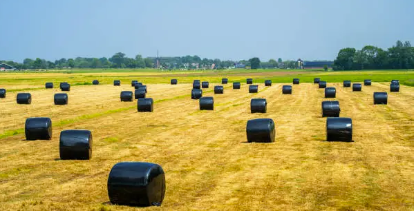
For Australian farmers, selecting the right bale wrap is essential to maintaining high-quality silage and ensuring year-round livestock nutrition. Bale wrap acts as a protective barrier, preventing air and moisture from spoiling the feed. In Australia’s diverse climate—from the humid tropics of Queensland to the temperate zones of Victoria and South Australia—choosing a durable, weather-resistant bale wrap is critical. This guide explores key factors Australian farmers should consider when investing in bale wrap to ensure optimal silage preservation and cost-effective farming practices.

Understanding Bale Wrap and Its Role in Silage Preservation

Bale wrap, commonly made from polyethylene, encases hay or silage bales tightly to create an anaerobic environment. This prevents spoilage, maintains moisture levels, and locks in nutrients vital for livestock. In Australia, farmers face unique challenges, including strong UV exposure, sudden rainfall, and temperature fluctuations, which can degrade poor-quality wrap. Choosing the right type of bale wrap helps keep silage fresh, reduces waste, and protects farmers’ investment in feed.

Key Considerations for Australian Farmers

When selecting bale wrap in Australia, several factors should guide the decision:

1. Thickness and Durability: Wrap thickness, measured in microns, affects resistance to punctures and tearing. In regions with frequent handling or rough terrain, such as South Australia’s grain belt or Queensland’s pasture farms, thicker bale wrap ensures longevity and reduces losses.

2. UV Resistance: Australian farms often experience intense sunlight. UV-stabilised bale wrap prevents degradation over time, maintaining its elasticity and protective qualities. UV-resistant wraps are particularly important for long-term storage in open paddocks or exposed silage stacks.

3. Stretchability and Seal: A bale wrap with good stretch ensures tight sealing around bales, limiting air ingress and promoting proper fermentation. Stretchable wrap also accommodates irregular bale shapes, common in Australian round bales.

4. Climate Adaptation: Different regions in Australia face varying conditions. Farmers in northern Queensland may prioritise moisture-resistant wrap during wet seasons, while those in Victoria or Tasmania may focus on temperature-resistant wrap to withstand cold winters.

Types of Bale Wrap Available in Australia

Australian farmers have access to several types of bale wrap, each with specific benefits:

● Standard Black or White Film: Affordable and widely available, suitable for short-term silage storage.

● UV-Stabilised Wrap: Ideal for long-term outdoor storage in high-sunlight areas.

● High-Elasticity Film: Offers superior stretch for tight sealing and protection against punctures.

● Biodegradable Wrap: An environmentally friendly option gaining popularity, though cost and storage conditions must be considered.

Selecting the right type depends on storage duration, local weather patterns, and farm management practices.

Best Practices for Using Bale Wrap on Australian Farms

To maximise efficiency and silage quality, Australian farmers should follow these best practices:

● Proper Bale Preparation: Ensure bales are dry and free from dust or debris before wrapping to prevent contamination.

● Correct Wrapping Technique: Use consistent overlap and avoid gaps to maintain an airtight seal.

● Storage Management: Store wrapped bales on elevated ground or pallets to prevent waterlogging.

● Monitoring: Regularly inspect bales for tears or punctures, especially after storms or high winds, which are common in parts of Australia.

Using these methods, farmers can reduce feed losses, maintain nutrient content, and improve livestock productivity.

Where to Source High-Quality Bale Wrap in Australia

Australian farmers have multiple options for purchasing bale wrap, including local agricultural suppliers and online distributors. Reputable suppliers in New South Wales, Victoria, Queensland, and South Australia provide advice on selecting the best wrap for regional conditions. Additionally, bulk purchasing often reduces cost per bale, making long-term feed management more economical.

Environmental Considerations

Sustainable farming practices are increasingly important in Australia. While traditional polyethylene bale wrap is effective, it creates plastic waste. Many Australian farmers are exploring recyclable or biodegradable wraps. Proper disposal and recycling programs help minimise environmental impact without compromising feed quality.

Conclusion

Selecting the right bale wrap is more than just a cost decision; it’s a strategic choice that impacts silage quality, livestock nutrition, and farm efficiency. Australian farmers must consider regional climate, UV exposure, wrap thickness, and stretchability when investing in bale wrap. By adopting proper wrapping techniques and sourcing high-quality materials, farms can protect their feed, reduce wastage, and enhance long-term productivity. Whether storing silage in the humid tropics of Queensland or the cooler regions of Victoria and South Australia, the right bale wrap ensures Australian farmers get the most from their forage investments.

Stockinette Bags’ The Sustainable Packaging Solution for Australian Businesses

In recent years, Australian businesses have increasingly embraced sustainable packaging solutions, with stockinette bags emerging as a practical and eco-friendly alternative to traditional single-use plastics. Stockinette bags, known for their breathable, durable fabric, are transforming how retailers, grocery stores, and food service providers package and transport products. From fresh produce to bakery items, these reusable bags provide both functionality and sustainability, making them an ideal choice for companies looking to reduce environmental impact while maintaining high product quality.

The Rise of Eco-Friendly Packaging in Australia

Australia has seen a significant shift towards environmentally responsible packaging. With federal and state regulations increasingly targeting single-use plastics, companies are seeking alternatives that meet consumer expectations for sustainability. Stockinette bags offer a perfect solution due to their versatility and eco-conscious design. Many Australian businesses, from farmers’ markets in Melbourne to boutique grocery stores in Sydney, are adopting these bags to store fruits, vegetables, and other perishable goods. Their breathable material helps maintain product freshness, reducing spoilage and food waste—a growing concern for environmentally aware consumers.

Benefits of Stockinette Bags for Retailers and Consumers

Stockinette bags offer multiple advantages for both businesses and end-users. For retailers, their durability ensures repeated use, lowering long-term packaging costs. Unlike paper or plastic bags, stockinette bags withstand wear and tear, making them suitable for heavy produce and bakery products. Consumers also appreciate the reusable nature of these bags, which aligns with a growing demand for sustainable shopping habits across Australia.

Moreover, stockinette bags are lightweight, washable, and customisable. Australian businesses can brand them with logos or promotional messages, enhancing marketing efforts while promoting sustainability. Their mesh-like structure allows air circulation, which is particularly beneficial for storing fresh produce, preventing premature spoilage—a key factor in reducing food waste at both retail and household levels.

Local Manufacturing and Supply Chain Advantages

One of the strengths of adopting stockinette bags in Australia is the potential for local manufacturing. By sourcing bags domestically, businesses can reduce carbon footprints associated with overseas shipping while supporting local economies. Cities such as Brisbane and Adelaide have emerging suppliers specialising in eco-friendly packaging solutions, providing competitive pricing and customisation options.

Local supply chains also allow for quicker delivery times and more consistent product quality. Australian retailers increasingly prioritise suppliers who can provide reliable stockinette bag solutions that meet both functional requirements and sustainability certifications. This trend aligns with broader consumer expectations for environmentally responsible practices and supply chain traceability.

Environmental Impact and Compliance

Stockinette bags significantly reduce plastic waste in Australia. They are typically made from biodegradable or recyclable materials, ensuring minimal environmental impact compared to traditional plastic packaging. Many businesses also integrate these bags into circular economy initiatives, encouraging customers to return or reuse them.

Additionally, regulatory pressures, such as bans on single-use plastics in certain Australian states, have incentivised retailers to adopt sustainable alternatives. Stockinette bags help companies comply with these regulations while demonstrating corporate social responsibility. Consumers are increasingly aware of environmental issues, and businesses that embrace such solutions often enjoy enhanced brand reputation and customer loyalty.

Adoption Across Australian Industries

The adoption of stockinette bags is not limited to the grocery and retail sectors. Australian food service providers, including bakeries, cafes, and farmers’ markets, are leveraging these bags to improve product presentation while meeting sustainability goals. Fresh produce markets in Sydney and Melbourne, for instance, often provide customers with stockinette bags as a reusable option for fruits and vegetables. Similarly, eco-conscious bakeries use stockinette bags to package artisanal bread and pastries, combining aesthetic appeal with environmental responsibility.

Educational institutions and corporate offices are also deeply exploring the use of stockinette bags as part of green initiatives. By replacing disposable alternatives with reusable stockinette bags, organisations reduce waste while fostering awareness of sustainable practices.

Future Outlook for Stockinette Bags in Australia

As sustainability continues to influence consumer preferences and regulatory frameworks in Australia, stockinette bags are expected to play an increasingly prominent role in packaging strategies. Businesses that adopt these bags benefit not only from functional and cost advantages but also from enhanced brand perception and alignment with environmental standards.

The future of packaging in Australia is clearly moving towards eco-friendly alternatives, and stockinette bags exemplify how practicality and sustainability can coexist. With continued innovation in materials and local manufacturing capabilities, these bags are poised to become a staple in the Australian retail and food service industries.

Eco-Friendly Branding_ How Custom Stockinette Bags Are Revolutionising Sustainable Packaging in Australia

stockinette bags

In today’s environmentally conscious market, Australian businesses are increasingly looking for ways to reduce their ecological footprint while simultaneously strengthening their brand identity. Among the most innovative solutions gaining traction is the use of custom stockinette bags. These versatile, eco-friendly bags are reshaping the landscape of sustainable packaging, offering businesses a way to demonstrate their commitment to environmental responsibility without compromising on style or functionality.


The Rise of Sustainable Packaging in Australia

Sustainability has shifted from a niche concern to a mainstream business priority. Australian consumers are more environmentally aware than ever, expecting brands to adopt responsible packaging practices. Single-use plastics are being phased out, and companies are exploring alternatives that align with global sustainability goals. In this context, custom stockinette bags have emerged as a preferred choice for businesses seeking packaging solutions that are both practical and eco-conscious.

Stockinette bags, traditionally used in textiles and medical applications, have now evolved into premium packaging options. Made from biodegradable or recyclable materials, these bags minimise environmental impact while maintaining durability and aesthetic appeal. For Australian businesses, this transition represents an opportunity to align packaging with their corporate social responsibility strategies and appeal to an eco-minded audience.


Why Custom Stockinette Bags Are a Game-Changer

The growing popularity of custom stockinette bags lies in their unique combination of environmental benefits and branding potential. Unlike conventional packaging materials, stockinette bags are reusable, lightweight, and versatile. They are ideal for retail, food, and gift industries, where presentation and functionality are equally important.

Customizability is a key advantage. Brands can personalise stockinette bags with logos, colours, and patterns, transforming simple packaging into a powerful marketing tool. This level of customisation allows businesses to convey their brand values while promoting sustainability. A beautifully designed, reusable bag leaves a lasting impression on customers, reinforcing brand loyalty and encouraging repeat use—a win-win for both marketing and the environment.


Enhancing Brand Identity Through Eco-Friendly Packaging

Sustainability is no longer just an operational consideration; it has become an essential component of brand identity. Businesses that adopt eco-friendly practices communicate a clear message about their values, attracting conscientious consumers who prioritise ethical choices.

Using custom stockinette bags, Australian brands can visually differentiate themselves in crowded marketplaces. These bags offer a premium look and feel, which can elevate the customer experience while signalling a commitment to reducing waste. By integrating sustainability into packaging design, brands not only meet consumer expectations but also enhance their reputation as leaders in corporate responsibility.


Practical Benefits for Businesses

Beyond aesthetics and branding, custom stockinette bags provide tangible operational benefits. Their durability reduces the likelihood of product damage during transport, while their lightweight construction minimises shipping costs. Unlike plastic alternatives, these bags are often machine-washable or reusable, extending their lifespan and reducing the frequency of replacement.

For businesses in the retail and hospitality sectors, stockinette bags can serve multiple functions. They can be used for gift packaging, promotional giveaways, or storage solutions, offering a flexible and cost-effective alternative to disposable packaging. By investing in quality stockinette bags, companies can reduce long-term packaging expenses while aligning with sustainability initiatives.


Supporting Local Sustainability Efforts

The adoption of custom stockinette bags also contributes to the broader sustainability movement in Australia. Many manufacturers source materials domestically and prioritise eco-friendly production processes, supporting local economies while reducing transportation-related carbon emissions. By choosing local suppliers, businesses demonstrate their commitment to sustainable practices and help foster a circular economy in the Australian market.

Furthermore, using biodegradable or recyclable stockinette bags minimises landfill waste, complementing national efforts to reduce plastic pollution. This approach resonates with consumers who are increasingly making purchasing decisions based on environmental impact, making it an effective strategy for companies aiming to attract eco-conscious customers.

Conclusion:

Custom stockinette bags are more than just packaging; they are a symbol of sustainable innovation and strategic branding. In Australia, businesses that adopt these eco-friendly solutions can reduce their environmental impact, enhance their brand identity, and engage consumers more meaningfully. By combining functionality, aesthetic appeal, and sustainability, stockinette bags exemplify the future of responsible packaging—where every detail, from design to material choice, reflects a commitment to a greener, more conscious market.

For companies aiming to leave a positive mark on both the environment and their customers, investing in custom stockinette bags is a step in the right direction. These bags demonstrate that eco-friendly practices can coexist with elegance, practicality, and brand differentiation, setting the stage for a more sustainable and profitable future in the Australian business landscape.

Custom Banquette Seating in Adelaide: Stylish, Space-Saving Solutions for Modern Homes and Hospitality Spaces

banquette seating

In modern agriculture, efficiency, sustainability, and cost-effectiveness are vital to ensuring long-term farm success. Among the many inputs farmers rely on, baling twine stands out as a simple yet essential tool for securing hay, silage, and straw bales. While baling twine may seem minor compared to larger machinery or feed inputs, its quality and reliability have a direct impact on productivity, feed preservation, and overall farm operations. It is where baling twine suppliers in Australia step in—providing not only essential products but also dependable partnerships that help farmers thrive.

Why Baling Twine Matters to Farmers

For livestock producers and crop farmers alike, baling twine is indispensable. It ensures hay and straw bales remain tightly bound, reducing spoilage during storage and transport. High-quality twine prevents breakage, saving farmers time and effort in handling their harvest. Farmers also need twine options suitable for a variety of balers, from small square to large round balers, making versatility another crucial factor in supply.

Without consistent supply and quality assurance, farmers face increased risk of wasted feed, damaged bales, and unnecessary costs. It highlights why choosing the right baling twine suppliers is just as crucial as selecting reliable machinery or animal feed.

The Role of Baling Twine Suppliers in Australian Agriculture

Baling twine suppliers in Australia provide much more than just string. They act as vital partners, offering technical advice, product recommendations, and innovative solutions tailored to different farming conditions. Reliable suppliers ensure farmers have access to:

Durable Twine Options: Products designed to withstand Australian weather conditions, from scorching summers to wet winters.

Compatibility with Machinery: Twine is suitable for a wide range of balers used in both small- and large-scale operations.

Sustainable Alternatives: Eco-friendly and biodegradable twine that supports sustainable farming practices.

Consistent Supply Chains: Reliable distribution networks to keep farmers stocked during peak baling seasons.

By combining product quality with dependable service, suppliers directly contribute to agricultural efficiency and resilience.

Innovation and Sustainability in Baling Twine

Australian farmers are becoming increasingly aware of the environmental impact of their agricultural practices. As a result, baling twine suppliers are responding by introducing sustainable solutions. Traditional polypropylene twine remains widely used due to its durability; however, biodegradable options are gaining popularity for reducing waste and supporting eco-friendly farming practices.

Some suppliers also offer UV-resistant twine, specifically designed to endure prolonged exposure to Australia’s intense sunlight. Others offer colour-coded twine options to help farmers quickly organise and identify different bale types. These innovations demonstrate how suppliers are aligning their products with the evolving needs of modern agriculture.

Factors Farmers Consider When Choosing Suppliers

Farmers rely heavily on trustworthy suppliers to deliver products that meet high standards. When selecting baling twine suppliers in Australia, key factors include:

Strength and Reliability – Twine must withstand heavy loads without fraying or breaking.

Cost-Effectiveness – Competitive pricing is essential for managing operational costs.

Availability and Delivery – Timely supply ensures farmers don’t face delays during peak harvest or baling periods.

Sustainability Credentials – Many farmers now favour suppliers offering biodegradable or recyclable twine options.

Customer Support – Technical advice, product guidance, and after-sales service can make a significant difference.

Suppliers who consistently meet these criteria build strong, long-term relationships with farmers, creating a foundation of trust and reliability.

Supporting Farm Efficiency Through Reliable Supply Chains

Agricultural work is highly seasonal, and timing is everything. Delays in securing baling materials can disrupt harvest schedules, reduce feed quality, and increase labour costs. Baling twine suppliers in Australia play a crucial role in mitigating these risks by maintaining efficient supply chains. Many suppliers operate regionally to ensure prompt deliveries, while others offer online ordering systems for convenience. This flexibility ensures that farmers can access the products they need when they need them most.

Conclusion:

Baling twine may appear to be a small component in the grand scale of agriculture, but its importance cannot be overstated. Reliable, durable, and sustainable twine ensures efficient bale handling, preserves valuable feed, and reduces waste—all critical for successful farm operations.

Baling twine suppliers in Australia play a vital role in providing farmers with not only products but also dependable solutions tailored to their specific needs. By delivering innovation, sustainability, and service, they support the backbone of the agricultural industry. As farming continues to adapt to environmental and economic challenges, these suppliers will remain essential partners in helping Australian farmers secure a sustainable and productive future.

Silage Plastic: How Silage Plastic Supports Sustainable Farming Practices in Australia

Silage Plastic

In the evolving landscape of Australian agriculture, silage plastic Australia has become an indispensable tool for farmers striving to embrace sustainable farming practices. As environmental concerns grow alongside the demand for food production, innovative methods that optimise resource use while minimising waste and environmental impact are critical. Silage plastic, primarily used for preserving forage crops, plays a vital role in enhancing farm sustainability across Australia’s diverse climatic regions.

Understanding Silage Plastic and Its Role in Australian Farming

Silage plastic refers to specialised plastic sheeting designed to wrap and seal forage crops such as grass, corn, and legumes during the ensiling process. This airtight sealing prevents oxygen from entering, allowing natural fermentation to preserve the nutrients in the forage. For Australian farmers, where variable weather conditions and droughts can impact feed availability, silage plastic offers a practical solution to maintain high-quality feed supplies year-round.

In regions like Victoria, New South Wales, and Queensland, where seasonal variability often disrupts pasture growth, silage plastic Australia ensures that harvested crops retain their nutritional value until they are needed, reducing the reliance on external feed sources and improving overall farm resilience.

Enhancing Resource Efficiency and Reducing Waste

One of the cornerstones of sustainable farming is the efficient use of resources, and silage plastic directly contributes to this goal. By enabling longer storage of forage without spoilage, farmers can minimise feed wastage and reduce the frequency of crop replanting. This efficient use of crops means less water, fertiliser, and land are required to maintain livestock feeding needs, easing pressure on natural resources.

Moreover, silage plastic allows farmers to capitalise on peak growing periods. For example, during the spring flush, when pasture growth is abundant, surplus forage can be harvested and stored effectively. This reduces the need to rely on supplementary feed during less productive times, contributing to lower greenhouse gas emissions associated with feed production and transportation.

Supporting Climate Adaptation Strategies

Australia’s agricultural sector faces increasing challenges from climate variability and extreme weather events such as droughts and floods. Silage plastic Australia is a valuable tool in climate adaptation strategies by offering a reliable method to secure feed supplies in unpredictable conditions.

Farmers can strategically harvest forage during optimal weather windows and preserve it with silage plastic to buffer against dry spells or periods of low pasture growth. This reduces vulnerability to climate shocks and helps maintain livestock health and productivity, supporting economic and environmental sustainability.

Promoting Soil Health and Reducing Chemical Inputs

Sustainable farming also involves maintaining soil health, and silage plastic indirectly supports this by encouraging better pasture management. When farmers have a secure feed reserve thanks to silage, they can avoid overgrazing pastures, which often leads to soil degradation and erosion. Healthy pastures contribute to better soil structure, water retention, and nutrient cycling.

Additionally, by preserving high-quality forage, farmers reduce the need for chemical feed additives or supplements to maintain livestock nutrition. This lessens chemical inputs on farms and decreases the environmental footprint of animal production systems.

Innovations in Silage Plastic: Towards Greater Sustainability

The Australian market has seen innovations in silage plastic technology aimed at enhancing sustainability even further. Advances include biodegradable and recyclable silage plastic films, which address environmental concerns associated with plastic waste disposal.

Several Australian initiatives and recycling programs now support the collection and processing of used silage plastic, preventing it from ending up in landfill and reducing pollution. These efforts align with broader environmental goals and encourage farmers to adopt more sustainable practices without compromising operational efficiency.

Economic Benefits Linked to Sustainable Practices

The use of silage plastic also brings notable economic advantages that reinforce sustainable farming. By preserving high-quality feed, farmers can improve livestock performance, including growth rates and milk production, which translates into better profitability.

Reduced feed wastage and lower dependence on expensive purchased feedstocks mean more stable farm budgets. This economic stability enables farmers to invest in other sustainability measures, such as soil conservation practices or renewable energy projects, creating a positive cycle of environmental and financial resilience.

Silage Plastic in Australia: A Cornerstone of Future-Ready Agriculture

As Australia’s agriculture sector continues to evolve, embracing sustainability is no longer optional but essential. Silage plastic Australia exemplifies how innovative tools can underpin this transition, offering solutions that balance productivity with environmental stewardship.

By improving feed preservation, enhancing resource efficiency, supporting climate resilience, and driving economic viability, silage plastic helps Australian farmers meet the complex challenges of modern agriculture. When paired with responsible management and emerging technologies, silage plastic remains a cornerstone in building a sustainable agricultural future for Australia.

In summary, silage plastic plays a multifaceted role in supporting sustainable farming practices across Australia. Its benefits range from preserving valuable feed and reducing waste to enabling better soil health and fostering climate adaptation. Through ongoing innovation and responsible use, silage plastic Australia will continue to empower farmers in their pursuit of sustainability and productivity.

Baler Twine How Australian Farms Improved Harvest Efficiency Using High-Quality Baler Twine

baler twine

In the competitive landscape of Australian agriculture, maximising harvest efficiency is critical for profitability and sustainability. A key, yet often overlooked, factor contributing to improved productivity on farms is the choice of baler twine Australia. This case study explores how several Australian farms significantly enhanced their harvest processes by switching to high-quality baler twine. The results demonstrate not only increased operational efficiency but also long-term cost savings and environmental benefits.

The Importance of Baler Twine in Australian Farming

Baler twine Australia has been a staple in hay and straw baling operations, providing the necessary strength and durability to secure bales effectively. However, not all baler twine is created equal. Farms using inferior twine often experience higher incidences of bale failure, machine downtime, and increased labour costs. Given the vast scale of agricultural operations across Australia — from the wheat belts of Western Australia to the grazing lands of New South Wales — the reliability of baler twine directly influences harvest outcomes.

Challenges Faced by Australian Farms Before Switching Twine

Many farms previously struggled with baler twine that lacked sufficient tensile strength or UV resistance. This often resulted in broken twine during baling or storage, causing loose or damaged bales that reduced feed quality and increased waste. In regions with intense sunlight and harsh weather conditions, baler twine degradation was a common issue, leading to costly replacements and operational delays.

One mid-sized farm in Victoria reported losing up to 15% of its harvested hay due to poor bale integrity. This loss was not only financially damaging but also environmentally detrimental, as wasted feed contributed to unnecessary resource use and disposal issues.

Selecting High-Quality Baler Twine: Criteria and Benefits

The farms involved in this case study opted to invest in premium baler twine characterised by:

  • Enhanced tensile strength: Ensuring the twine can withstand the mechanical stress of high-speed balers.
  • UV and weather resistance: Prolonging twine life during outdoor storage and reducing degradation.
  • Consistent diameter and quality: Guaranteeing smooth operation with minimal machine jams or twine breakage.

By choosing baler twine Australia products that met these criteria, farms aimed to reduce bale failure rates and improve machine efficiency.

Impact on Harvest Efficiency and Cost Savings

Switching to high-quality baler twine resulted in measurable improvements across multiple farms:

  • Reduced downtime: The incidence of twine-related baler stoppages dropped by over 40%, allowing operators to maintain a steady workflow during critical harvest windows.
  • Improved bale quality: Bales were more securely tied, maintaining shape and density, which in turn preserved feed quality.
  • Lower twine consumption: Superior strength meant thinner twine could be used without compromising performance, reducing material costs by approximately 10%.
  • Environmental benefits: Less twine waste and fewer damaged bales contributed to a smaller environmental footprint.

One large grain and livestock farm in Queensland reported that the adoption of better baler twine allowed their harvest crews to finish baling 20% faster than in previous years. This efficiency gain translated into lower labour expenses and the ability to capture more timely harvest windows, especially important when weather conditions are unpredictable.

Case Example: A Victorian Farm’s Success Story

A family-owned farm in Victoria implemented a switch to premium baler twine in Australia during the 2023 harvest season. Prior to the change, they faced frequent twine breaks that caused costly delays and damaged up to 12% of their hay bales. After switching, they experienced:

  • Near-elimination of twine breakage.
  • A 25% reduction in baler maintenance costs, as smoother operation meant less strain on machinery.
  • Enhanced bale storage, with bales maintaining integrity during long-term outdoor storage.

Why Australian Farmers Should Prioritise Quality in Baler Twine

The diverse and often challenging Australian climate demands baler twine that can withstand heat, UV exposure, and mechanical stress. Farmers who prioritise quality in their baler twine choice benefit from smoother operations, lower costs, and improved product quality.

Moreover, the evolving technology behind baler twine production means that Australian farms now have access to materials engineered for peak performance under local conditions. Whether operating in the dry interior or the wetter coastal regions, selecting baler twine suited to these environments is a strategic decision with long-term benefits.

Conclusion: The Strategic Advantage of Premium Baler Twine

This case study illustrates that investing in high-quality baler twine in Australia is a straightforward yet impactful way to boost harvest efficiency. Farms across the country are seeing improved bale integrity, less downtime, and better overall cost-effectiveness by upgrading their twine.

As Australian agriculture continues to modernise and optimise for both economic and environmental sustainability, the choice of baler twine should be viewed as a critical component of harvest strategy—not merely an operational detail.

By focusing on premium materials explicitly designed for Australian conditions, farmers can safeguard their harvests, reduce waste, and increase profitability season after season.

If you are an Australian farmer or agribusiness seeking to improve your baling operations, consider evaluating the quality of your baler twine. The evidence is clear: superior baler twine offers a competitive edge that translates directly into harvest success.

Bale Wrap Which is Better for Australian Farming?

Bale Wrap

In Australia’s diverse farming landscape, selecting the optimal wrapping method for hay and silage can significantly impact feed quality, storage life, and operational efficiency. Bale wrap and net wrap are two of the most common options, each with unique benefits and limitations. With climate extremes ranging from humid coastal regions to dry inland zones, Australian farmers must weigh the pros and cons carefully to maximise productivity and preserve fodder quality.

Understanding Bale Wrap and Net Wrap

Bale wrap is a stretchable plastic film used to seal bales completely, preventing air and moisture from entering. This airtight environment is particularly effective for silage production, as it promotes proper fermentation and preserves nutritional value. In contrast, net wrap is a woven or extruded mesh that holds the bale together without providing a complete seal. Net wrap is quicker to apply and is often favoured for dry hay storage.

Both options have strong adoption in Australian agriculture, but the best choice often depends on crop type, storage duration, and the farm’s specific environmental challenges.

Advantages of Bale Wrap in Australian Conditions

One of the main advantages of bale wrap is its ability to create a sealed environment, making it ideal for silage in regions with variable rainfall. In coastal Queensland, for example, summer storms can cause sudden spikes in moisture, which may spoil hay if not protected. Bale wrap prevents oxygen exposure, reducing spoilage and nutrient loss, even during prolonged storage.

Additionally, bale wrap offers greater flexibility for farmers in remote areas. Wrapped silage bales can be stored outdoors without the need for large sheds, making it a practical choice for operations with limited infrastructure. While the material cost can be higher, the reduction in waste and improved feed quality can offset this expense over time.

Advantages of Net Wrap in Australian Farming

Net wrap is highly valued for its efficiency in the baling process. It requires fewer revolutions to secure a bale compared to twine or plastic film, which speeds up harvest operations—an important factor during narrow weather windows in haymaking. For dry inland regions such as western New South Wales or South Australia, where humidity is low, net wrap provides sufficient protection without the added cost of airtight sealing.

Another benefit is the ease of bale handling. Net-wrapped bales tend to maintain their shape and resist chafing during transport, which is important for farms that need to move large quantities of hay to feedlots or markets. However, it does not provide the same moisture barrier as bale wrap, so it is less suited to silage or wet weather storage.

Cost and Efficiency Considerations

When comparing bale wrap and net wrap, cost is a key factor for Australian farmers. Net wrap is generally cheaper per bale in terms of material use and application time. However, bale wrap may reduce long-term losses from spoilage, especially in high-rainfall zones. Farmers in regions with mixed seasons often use both—net wrap for dry hay and bale wrap for silage—optimising costs while maintaining feed quality.

In terms of labour, net wrap offers a faster baling process, which can be crucial when racing against incoming rain. Bale wrap, while slower, provides superior preservation for high-moisture crops, which can save significant amounts of feed from going to waste.

Environmental and Disposal Challenges

Both bale wrap and net wrap present challenges when it comes to disposal. Plastic waste from either method must be collected and recycled where possible to reduce environmental impact. Australia’s rural recycling programs, such as those facilitated by industry-led initiatives, are expanding, but access can still be limited in remote farming areas.

Bale wrap tends to generate more plastic waste per bale compared to net wrap, but its contribution to reduced feed spoilage can also mean less overall resource wastage. Farmers must weigh the environmental trade-offs alongside economic and practical considerations.

Making the Right Choice for Your Farm

The decision between bale wrap and net wrap in Australian farming largely comes down to climate, crop type, and intended storage period.

  • Use bale wrap if you are producing silage, storing bales outdoors for extended periods, or working in high-rainfall or humid regions.
  • Use net wrap if you are baling dry hay in arid areas, prioritising speed during harvest, and have secure indoor storage.

For many mixed-farming operations, a combination of both methods offers the most flexibility. By tailoring wrapping choices to seasonal conditions and crop needs, farmers can protect feed quality, reduce waste, and improve profitability.

Final Thoughts

In Australia’s unpredictable farming climate, there is no one-size-fits-all answer to the bale wrap versus net wrap question. Each has clear advantages, and the right choice depends on balancing cost, preservation needs, and weather risks. By understanding the strengths and limitations of both, farmers can make informed decisions that safeguard their fodder and support the long-term sustainability of their operations.

Net Wrap: A Guide to Local Suppliers and Choosing the Best for Your Farming Needs

net wrap

For Australian farmers, securing reliable and durable net wrap is essential for effective bale wrapping and silage preservation. Whether you operate a small-scale farm or manage expansive agricultural operations, finding quality net wrap near me can save you time, money, and help maintain crop integrity. This guide provides an overview of how to identify trusted local suppliers and select the best net wrap tailored to your specific farming needs.


Understanding the Importance of Quality Net Wrap

net wrap
a guide to local suppliers and choosing the best for your farming needs

Net wrap plays a crucial role in protecting hay and silage bales from weather damage, mould growth, and nutrient loss. Choosing the right net wrap ensures bales remain intact during handling and storage, enhancing feed quality and reducing waste. Poor quality net wrap can tear easily, cause uneven wrapping, and increase downtime in the field, affecting farm efficiency.

Farmers should prioritise net wrap that offers:


High tensile strength to prevent breakage during wrapping and transport.

UV resistance to protect bales exposed to sunlight over long periods.

Optimal mesh size for secure, consistent wrapping without damaging forage.


Recognising these factors helps farmers make informed decisions when searching for net wrap near me.


Where to Find Reliable Local Suppliers of Net Wrap in Australia

When searching for net wrap near me, local suppliers offer numerous advantages, including immediate availability, expert advice, and the ability to inspect product quality firsthand. Here are common types of suppliers to consider:

Agricultural Supply Stores

Many regional agricultural stores stock a variety of net wrap products suitable for different bale sizes and forage types. These outlets often provide personalised service, allowing farmers to discuss their requirements and receive tailored recommendations. Examples include:

Rural hardware stores

Farm equipment retailers

Specialised hay and forage suppliers

Bulk Agricultural Distributors

For larger operations, buying from bulk distributors can offer competitive pricing and a consistent supply. Distributors often maintain relationships with multiple manufacturers, giving farmers access to a range of brands and specifications. They may also provide delivery services to remote farm locations.

Online Marketplaces with Local Delivery Options

While physically visiting stores is beneficial, many Australian farmers leverage online platforms that cater to regional deliveries. When searching for net wrap near me online, farmers can compare product reviews, prices, and specifications before choosing a nearby warehouse or supplier that ships quickly.


How to Choose the Best Net Wrap for Your Farming Needs

Selecting net wrap is not a one-size-fits-all decision. Consider the following criteria to ensure the net wrap suits your operational demands:

Bale Size Compatibility

Net wrap comes in various widths and lengths to fit standard round or square bales. Measuring your bale dimensions helps determine the appropriate net wrap size. Using the right size reduces material waste and prevents inadequate wrapping.

Material Strength and Durability

Check the tensile strength and tear resistance of net wrap products. Stronger materials withstand harsh field conditions and mechanical handling better, reducing the risk of bale damage.

UV Protection and Weather Resistance

Since bales often remain outdoors for extended periods, choose net wrap with good UV stabilisers and resistance to rain or moisture. It extends the lifespan of the wrap and maintains bale quality.

Cost Efficiency and Value

While price is important, focus on value rather than the cheapest option. Investing in high-quality net wrap minimises losses from bale damage and rewrapping costs, ultimately saving money over time.

Benefits of Supporting Local Suppliers When Searching for Net Wrap Near Me

Purchasing from local suppliers not only guarantees quicker access but also supports regional businesses vital to the Australian farming community. Here’s why local sourcing matters:


Faster delivery times: Local suppliers reduce lead times, ensuring you never run out of essential wrapping materials during peak season.

Personalised customer service: Face-to-face interactions build trust, and local experts can offer insights based on your farm’s specific conditions.

Cost savings on freight: Proximity to suppliers often means lower transport costs compared to distant distributors.

Stronger community connections: Supporting local businesses fosters a resilient agricultural network that benefits everyone.


Conclusion:

For Australian farmers, finding quality net wrap near me requires a strategic approach that balances product performance, supplier reliability, and cost-effectiveness. By prioritising trusted local suppliers, understanding essential net wrap features, and adopting best storage practices, farmers can enhance bale protection and improve operational efficiency.

Silage Covers: The Role of Covers in Reducing Spoilage

In Australia’s diverse and often unpredictable climate, practical forage preservation is crucial to ensuring year-round feed supply for livestock. One of the most critical elements in this process is the use of silage covers. These specialised coverings are more than just tarps—they are backed by science and play a vital role in reducing spoilage, improving feed quality, and ultimately supporting the productivity of Australian farms.


Understanding the Silage Preservation Process

Silage is essentially fermented, high-moisture fodder stored in anaerobic conditions. The aim is to preserve its nutritional value by promoting beneficial lactic acid bacteria and suppressing spoilage organisms such as moulds and yeasts. Once forage is harvested, chopped, and compacted into a silo or bunker, the preservation clock begins. Exposure to oxygen during this stage or later can lead to rapid aerobic spoilage, significantly reducing the quality of the silage.


Silage Covers
Silage covers reducing spoilage

This is where silage covers play a pivotal role. They seal the silage from the external environment, creating the anaerobic conditions needed for successful fermentation. Without an effective barrier, Australian farmers risk losing up to 30% or more of their silage due to oxidation, pest activity, or water damage—losses that are financially and nutritionally devastating.


Why Oxygen Is the Enemy of Silage

The presence of oxygen is one of the most significant threats to silage preservation. It encourages the growth of undesirable microorganisms, including aerobic bacteria and fungi, which decompose the silage and generate heat. This results in dry matter loss, nutrient degradation, and the production of harmful mycotoxins that can affect livestock health.


Modern silage covers are designed to eliminate or significantly reduce oxygen infiltration. High-quality covers feature multiple layers, including oxygen barrier films that offer up to 60 times better protection than standard polyethylene sheets. In Australia’s warm and windy regions—from inland Queensland to the plains of Western Australia—these enhanced covers are especially beneficial, offering long-lasting resistance against UV rays and mechanical damage.


The Benefits of Using Quality Silage Covers in Australia

Given Australia’s climatic variability, from drought-prone areas to flood-affected zones, a durable and reliable silage cover is essential. Investing in premium silage covers offers several advantages:


  • Reduced Spoilage: A tightly sealed silage face reduces oxygen exposure, preventing the top layers from becoming mouldy or discoloured.
  • Improved Feed Value: Properly fermented silage retains more nutrients, which supports better livestock performance.
  • Extended Storage Time: Well-covered silage can be stored longer without compromising quality, which is critical during seasonal feed shortages.
  • Lower Input Costs: By preserving more of the harvested forage, farmers reduce the need for additional purchased feed.


In Australia, where weather conditions can shift rapidly, using UV-resistant and tear-proof covers ensures consistent protection. Many local suppliers now offer dual-layer systems that include a cling-film underlay for superior sealing, followed by a weighted top cover to keep everything in place.


Practical Tips for Maximising Silage Cover Efficiency

To get the most out of your silage covers, proper application and maintenance are key. Here are some science-backed practices to consider:


  • Compact Tightly: The more densely packed the silage, the less air remains trapped inside.
  • Cover immediately: Delaying cover placement increases the risk of aerobic spoilage. Aim to cover silage within a few hours of packing.
  • Seal Edges Securely: Use sandbags or tyre walls to ensure no air enters from the sides or seams.
  • Use Protective Netting: In areas with high wind or bird activity, netting can help protect the cover from tears.


These best practices align with research conducted by Australian agricultural institutes, which consistently show that farms implementing robust silage management strategies with quality covers enjoy higher feed retention and better livestock outcomes.


Investing in Long-Term Sustainability

Beyond daily operational gains, using advanced silage covers supports long-term farm sustainability. Reduced spoilage means less waste, a smaller environmental footprint, and better resource efficiency—especially important in regions where water and land are becoming increasingly scarce.


As Australian agriculture continues to modernise, the adoption of scientifically developed silage preservation tools is gaining momentum. Silage covers are no longer an optional extra—they are a proven investment in feed security, animal welfare, and profitability.


Conclusion

In the context of Australian farming, where environmental challenges are a constant, silage preservation is both a science and a strategy. Silage covers represent a critical tool in this equation, enabling farmers to maintain feed quality, reduce spoilage, and optimise returns from every harvest. By understanding the role these covers play—and using them effectively—producers can build more resilient and productive operations in the face of a changing climate.