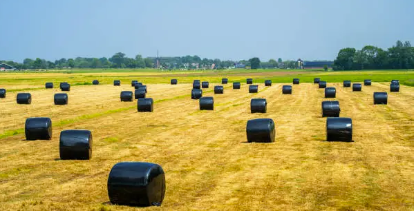
For Australian farmers, selecting the right bale wrap is essential to maintaining high-quality silage and ensuring year-round livestock nutrition. Bale wrap acts as a protective barrier, preventing air and moisture from spoiling the feed. In Australia’s diverse climate—from the humid tropics of Queensland to the temperate zones of Victoria and South Australia—choosing a durable, weather-resistant bale wrap is critical. This guide explores key factors Australian farmers should consider when investing in bale wrap to ensure optimal silage preservation and cost-effective farming practices.
Understanding Bale Wrap and Its Role in Silage Preservation
Bale wrap, commonly made from polyethylene, encases hay or silage bales tightly to create an anaerobic environment. This prevents spoilage, maintains moisture levels, and locks in nutrients vital for livestock. In Australia, farmers face unique challenges, including strong UV exposure, sudden rainfall, and temperature fluctuations, which can degrade poor-quality wrap. Choosing the right type of bale wrap helps keep silage fresh, reduces waste, and protects farmers’ investment in feed.
Key Considerations for Australian Farmers
When selecting bale wrap in Australia, several factors should guide the decision:
1. Thickness and Durability: Wrap thickness, measured in microns, affects resistance to punctures and tearing. In regions with frequent handling or rough terrain, such as South Australia’s grain belt or Queensland’s pasture farms, thicker bale wrap ensures longevity and reduces losses.
2. UV Resistance: Australian farms often experience intense sunlight. UV-stabilised bale wrap prevents degradation over time, maintaining its elasticity and protective qualities. UV-resistant wraps are particularly important for long-term storage in open paddocks or exposed silage stacks.
3. Stretchability and Seal: A bale wrap with good stretch ensures tight sealing around bales, limiting air ingress and promoting proper fermentation. Stretchable wrap also accommodates irregular bale shapes, common in Australian round bales.
4. Climate Adaptation: Different regions in Australia face varying conditions. Farmers in northern Queensland may prioritise moisture-resistant wrap during wet seasons, while those in Victoria or Tasmania may focus on temperature-resistant wrap to withstand cold winters.
Types of Bale Wrap Available in Australia
Australian farmers have access to several types of bale wrap, each with specific benefits:
● Standard Black or White Film: Affordable and widely available, suitable for short-term silage storage.
● UV-Stabilised Wrap: Ideal for long-term outdoor storage in high-sunlight areas.
● High-Elasticity Film: Offers superior stretch for tight sealing and protection against punctures.
● Biodegradable Wrap: An environmentally friendly option gaining popularity, though cost and storage conditions must be considered.
Selecting the right type depends on storage duration, local weather patterns, and farm management practices.
Best Practices for Using Bale Wrap on Australian Farms
To maximise efficiency and silage quality, Australian farmers should follow these best practices:
● Proper Bale Preparation: Ensure bales are dry and free from dust or debris before wrapping to prevent contamination.
● Correct Wrapping Technique: Use consistent overlap and avoid gaps to maintain an airtight seal.
● Storage Management: Store wrapped bales on elevated ground or pallets to prevent waterlogging.
● Monitoring: Regularly inspect bales for tears or punctures, especially after storms or high winds, which are common in parts of Australia.
Using these methods, farmers can reduce feed losses, maintain nutrient content, and improve livestock productivity.
Where to Source High-Quality Bale Wrap in Australia
Australian farmers have multiple options for purchasing bale wrap, including local agricultural suppliers and online distributors. Reputable suppliers in New South Wales, Victoria, Queensland, and South Australia provide advice on selecting the best wrap for regional conditions. Additionally, bulk purchasing often reduces cost per bale, making long-term feed management more economical.
Environmental Considerations
Sustainable farming practices are increasingly important in Australia. While traditional polyethylene bale wrap is effective, it creates plastic waste. Many Australian farmers are exploring recyclable or biodegradable wraps. Proper disposal and recycling programs help minimise environmental impact without compromising feed quality.
Conclusion
Selecting the right bale wrap is more than just a cost decision; it’s a strategic choice that impacts silage quality, livestock nutrition, and farm efficiency. Australian farmers must consider regional climate, UV exposure, wrap thickness, and stretchability when investing in bale wrap. By adopting proper wrapping techniques and sourcing high-quality materials, farms can protect their feed, reduce wastage, and enhance long-term productivity. Whether storing silage in the humid tropics of Queensland or the cooler regions of Victoria and South Australia, the right bale wrap ensures Australian farmers get the most from their forage investments.