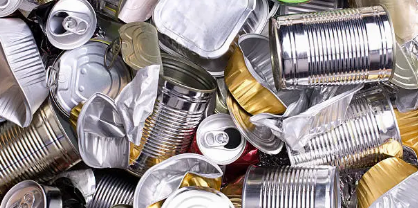
Through kerbside collection and the long-standing Container Deposit Scheme, recycling in Adelaide diverts thousands of tonnes of aluminium from landfill each year and transforms it into new products, using significantly less energy than virgin materials. Can recycling Adelaide residents participate in every week is more than a simple household habit — it’s a structured, high-performance resource recovery system that places South Australia at the forefront of sustainability in Australia.
Understanding how this process works helps households, businesses, and event organisers make informed decisions that improve recovery rates and reduce contamination.
Step 1: Collection — Kerbside Bins and Container Deposit Returns
In Adelaide and surrounding suburbs such as Glenelg, Norwood, and Mawson Lakes, aluminium cans enter the recycling stream in two primary ways:
1. Kerbside Yellow Bins – Managed by local councils across metropolitan Adelaide.
2. Container Deposit Scheme (CDS) Refund Points – Operated under the oversight of the Government of South Australia.
South Australia introduced its CDS in 1977, making it the first state in Australia to implement container deposit legislation. Today, residents can return eligible aluminium beverage cans to approved depots and receive a 10-cent refund per container. This financial incentive significantly boosts recovery rates and reduces litter across beaches, parks, and public spaces throughout Adelaide.
Both pathways feed into the broader can recycling infrastructure that ensures aluminium remains within a circular economy.
Step 2: Sorting at Material Recovery Facilities (MRFs)
Once collected, recyclable materials are transported to Material Recovery Facilities located in metropolitan Adelaide. These facilities use advanced mechanical and optical sorting systems to efficiently separate materials.
The process typically includes:
● Conveyor-based pre-sorting to remove contaminants
● Magnetic separation to extract ferrous metals
● Eddy current separators to isolate non-ferrous metals such as aluminium
● Optical scanners to distinguish plastics and other materials
Aluminium is particularly valuable because it is lightweight, corrosion-resistant, and infinitely recyclable without degradation in quality. Effective sorting is critical to maintaining the integrity of the can recycling stream and ensuring high resale value for recovered materials.
Contamination — such as food waste or non-recyclable plastics — can compromise entire loads. This is why Adelaide councils consistently educate residents about the correct use of bins.
Step 3: Baling and Transportation
After separation, aluminium cans are compressed into dense bales. Baling reduces transportation costs and improves logistical efficiency when shipping materials to processing plants.
These bales are then transported to aluminium reprocessing facilities, where they undergo shredding and cleaning. Any coatings, inks, or residual contents are removed in a controlled thermal process before the aluminium is melted in high-efficiency furnaces.
Because recycled aluminium requires up to 95% less energy than producing aluminium from bauxite ore, the environmental benefits of effective recycling are substantial. Reduced energy demand translates to lower greenhouse gas emissions — a key consideration in South Australia’s broader climate strategy.
Step 4: Remanufacturing and Closed-Loop Recycling
One of the most compelling aspects of aluminium recovery is closed-loop manufacturing. Melted aluminium is cast into ingots or rolled into sheets, which are then used to produce new beverage cans or other aluminium products.
Remarkably, an aluminium can recycled in Adelaide can return to store shelves as a new can within approximately 60 days. This rapid turnaround highlights the system’s efficiency and underscores why consumer participation matters.
Closed-loop recycling minimises resource extraction, lowers production costs, and stabilises supply chains for manufacturers across Australia.
Why Adelaide Leads in Recycling Performance
South Australia consistently reports beverage container recovery rates that exceed the national average. The success of can recycling Adelaide programs can be attributed to:
● Long-established Container Deposit Scheme legislation
● Strong public awareness and environmental culture
● Local council education initiatives
● Accessible refund depots across metropolitan and regional areas
The CDS not only supports environmental outcomes but also generates economic activity. Community groups, charities, and sports clubs often collect cans for fundraising purposes, creating both social and environmental benefits.
Additionally, major events in Adelaide — including festivals and sporting matches — increasingly implement structured waste management systems to improve aluminium recovery rates onsite.
Environmental and Economic Benefits
The advantages of effective recycling extend beyond landfill diversion.
Environmental Impact:
● Reduced mining of bauxite ore
● Lower energy consumption during production
● Decreased greenhouse gas emissions
● Reduced litter in marine and urban environments
Economic Impact:
● Job creation in waste management and logistics
● Revenue generation through material resale
● Cost savings for manufacturers using recycled inputs
In a resource-constrained global economy, aluminium’s recyclability provides a strategic advantage for regions like Adelaide that invest in infrastructure and policy support.
How Residents Can Improve Recycling Outcomes
While Adelaide’s system is robust, household behaviour directly influences performance. To maximise recovery efficiency:
● Empty cans completely before placing them in recycling bins
● Avoid crushing cans excessively if using kerbside bins (sorting systems work best with intact containers)
● Keep recyclables loose — do not bag them
● Separate eligible containers for CDS refunds when practical
Small behavioural adjustments significantly enhance the effectiveness of the broader can recycling framework.
The Future of Can Recycling in Adelaide
As sustainability targets become more ambitious, Adelaide is likely to see further innovation in waste-processing technologies and circular-economy initiatives. Automation, improved data tracking, and expanded public-private partnerships will continue strengthening the recycling ecosystem.
Public engagement remains central. The more consistently households participate in can recycling, the stronger the environmental and economic returns for South Australia.
Conclusion
Can recycling Adelaide residents engage in every day is a sophisticated, multi-stage system that converts used aluminium containers into valuable raw materials with minimal energy input. From kerbside collection and Container Deposit refunds to high-tech sorting and remanufacturing, the process reflects South Australia’s leadership in sustainable resource management.
By understanding each stage of the journey — and participating correctly — households and businesses contribute directly to a cleaner, more resource-efficient Adelaide.