SUP Foiling: Discover the Thrill of SUP Foiling

New Zealand, known for its breathtaking coastline and adventurous spirit, has quickly become a hotspot for SUP foiling. As this exhilarating water sport gains traction worldwide, Kiwi enthusiasts and international visitors alike are flocking to New Zealand’s beaches, bays, and lakes to experience the magic of flying above water. For more information about SUP foiling, click here.

What Is SUP Foiling?

SUP foilingSUP foiling, short for stand-up paddleboard foiling, combines the elements of paddleboarding with a hydrofoil mounted under the board. The hydrofoil lifts the board above the water’s surface as speed increases, allowing riders to glide smoothly and silently across the ocean or lake. Unlike traditional paddleboarding, SUP foiling delivers the sensation of floating or “flying” over water, offering a fresh and thrilling experience even on smaller waves or in light winds.

Why New Zealand Is Perfect for SUP Foiling

New Zealand’s diverse coastline and variety of waterways make it an ideal destination for SUP foiling. With more than 15,000 kilometres of coastline, countless lakes, and consistent wind and wave conditions, New Zealand provides foilers with endless opportunities to explore. Here’s why SUP foiling thrives in Aotearoa:

  • Varied Locations: From the surf breaks of Raglan and Piha to the tranquil waters of Lake Wanaka or the Coromandel Peninsula’s bays, New Zealand offers a range of environments suitable for all skill levels.
  • Consistent Conditions: The country’s maritime climate delivers regular swells, sea breezes, and calm mornings, perfect for foiling sessions.
  • Scenic Beauty: Few places rival the backdrop of New Zealand’s mountains, cliffs, and emerald-green waters, making every SUP foiling session visually unforgettable.

Best Spots for SUP Foiling in New Zealand

If you’re planning a SUP foiling adventure, here are some top locations to put on your list:

Raglan, Waikato

Raglan is a mecca for surfers, but it’s also becoming a hotspot for SUP foilers. Manu Bay’s long, peeling left-hand point break is perfect for more advanced foilers, while the sheltered inner harbour offers calmer waters ideal for beginners.

Mount Maunganui, Bay of Plenty

Mount Maunganui offers an excellent mix of surf conditions and flat water. The Main Beach has consistent waves for foiling, while Pilot Bay on the harbour side is a calm, beginner-friendly spot.

Lake Wanaka, Otago

Lake Wanaka is unbeatable for freshwater SUP foiling. Surrounded by mountains, this stunning alpine lake offers smooth conditions on windless mornings, making it a favourite for scenic foiling sessions.

Takapuna Beach, Auckland

Close to Auckland’s city centre, Takapuna Beach offers easy access, gentle waves, and a strong local foiling community. It’s an ideal spot for learners and those looking to refine their technique.

Getting Started: Tips for Beginners

If you’re new to SUP foiling, here’s how to set yourself up for success:

  • Start with a Lesson: Foiling has a steep learning curve. Book a lesson with a local instructor to fast-track your progress and ensure safety.
  • Choose the Right Equipment: Beginners should opt for larger boards with stable shapes and low-aspect foils that lift at lower speeds and offer more control.
  • Practice in Calm Conditions: Start on flat water to get comfortable balancing on the foil before progressing to waves.
  • Use Safety Gear: Always wear a leash, helmet, and impact vest when learning to SUP foil.

Join the Growing Community

SUP foiling in New Zealand isn’t just about the solo thrill — it’s also about joining a passionate and supportive community. Many local clubs and social groups organise meetups, clinics, and competitions that cater to all levels. Events like the New Zealand SUP Nationals are now including foiling divisions, reflecting the sport’s rapid growth.

By connecting with fellow foilers, you’ll improve your skills and gain access to insider tips on the best local spots, conditions, and gear.

Conclusion:

With its stunning natural playground, thriving foiling scene, and growing accessibility, New Zealand is one of the best places on earth to experience SUP foiling. Whether you want to carve waves on the coast or glide peacefully across a mountain lake, SUP foiling promises a fresh adventure that blends physical challenge with meditative calm.

If you’ve been waiting for the right moment to dive into this sport, now is the time. Grab a board, connect with a local expert, and discover the magic of SUP foiling in New Zealand — you won’t look back.
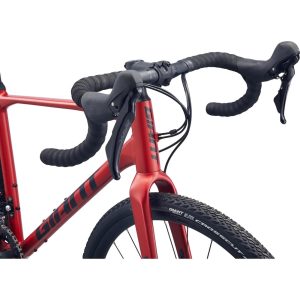
What to Look For in Buying a Gravel Bike

When shopping for Pushbikes gravel bikes NZ, you should look for certain features. These include disc brakes, wider tires, and an aluminium or chromoly steel frame. Disc brakes are more reliable and can accommodate larger tires, increasing tire pressure and having a wider footprint. Disc brakes are also more reliable when it’s wet.

Disc brakes

Disc brakes are a great addition to gravel bikes. They offer excellent stopping power, are especially useful on rough terrain, and provide adequate braking power for technical terrain. Disc brakes can also be helpful when carrying extra weight in bikepacking bags. Before choosing a gravel bike, you will want to know how much braking power these brakes offer.

Pushbikes gravel bikes NZDisc brakes work by pressing on pads that are attached to callipers. The callipers have a pair of pistons on either side of the rotor. This pressure pushes the pads against the disc to slow your bike down. However, friction also causes squealing and rubbing, which can drive riders crazy and take away momentum.

Disc brakes also allow you to run fatter tyres. The downside is that they wear more quickly in wet conditions. A mechanical disc brake offers superior stopping power for a lower price. However, the padding will wear out faster. To tell if the pads need to be replaced, feel them when worn and ensure they’re clean.

Disc brakes can be an excellent choice for gravel bikes. The hydraulic system uses fluid pressure, while other bike brakes use leverage and mechanical force. Hydraulic brakes provide the most power while using the least force. They can also provide the fastest stops. However, they can be a pain to repair.

Wider tires

The width of gravel tyres can be a crucial consideration when buying a gravel bike. It is because wider tires can handle rougher terrain better than narrow ones. Wider tires are also more comfortable and can help reduce air pressure to maintain traction during a rough corner.

Gravel bikes typically have tires that are between 38 and 45 millimetres wide. For the best balance between traction and comfort, purchasing 40mm wide tyres is the best option. Though these larger tires will cost more than narrow tires, they’ll offer better traction and comfort.

While narrower tires may be comfortable for shorter rides, gravel bikes require wider tires to handle longer descents. A 700C tire is typically about half that size and is often less than 30mm wide. Wider tires also have a lower pressure rating, so they’re not as stable and can wear out quickly.

Some gravel bikes run 700c tires on 650B wheels. The higher-volume tires are smoother on rough terrain, especially when loaded and roll over small roots and bumps more easily. Whether you go for 650B or 700C wheels, read the tires’ specifications before making your purchase.

You’ll also want to pay close attention to the tires’ tread pattern. The tire’s tread pattern will determine how fast it rolls over obstacles and how much comfort it provides.

Aluminium frame

There are a few reasons why you may want to invest in an aluminium-frame gravel bike. First, you’ll want your bike to last as long as possible. You don’t want to risk it becoming unusable due to neglect. Steel bikes can rust and reduce their quality over time, so you must ensure you take care of them properly. On the other hand, aluminium bikes don’t rust.

Secondly, consider your riding style. For example, are you looking for a comfortable and upright position or one that pushes down the trail with more power? A gravel bike with a flat bar is most comfortable and allows you to lean forward a bit, which can help you ride faster.

Another important factor when choosing a frame is the frame geometry. The wrong geometry can make you uncomfortable and even dangerous on a gravel descent. It’s also crucial to choose the right size of wheels for your needs. A bike with a 75-degree head angle is a risk on loose gravel. It would be best if you also considered the width of your tires. A minimum of 2.5 inches is required for off-road tires.

Aluminium-frame gravel bikes are the ideal choice for riders who want to ride dirt trails. Aluminium is stronger than steel bikes and less susceptible to mechanical mishaps. Aluminium frame gravel bikes also offer unbeatable value.

Chromoly steel frame

Chromoly steel frame gravel bikes are more durable and comfortable than aluminium alloy bikes. They are also more rigid, which is important for long trips. Some models even feature slender tubing, which leaves more space between the cranks and tire. However, this feature is not available on all steel-frame gravel bikes.

The Surly Midnight Special is a versatile steel gravel bike that’s great for gravel roads, fire roads, and rough pavement. Its frame is 4130 Chromoly steel and features flat-mount disc brakes, wide tire clearance, and rack mounts. It’s also a good option for bikepacking, thanks to its short-stem and long-reach style.

Carbon fibre is another popular material for gravel bikes, as it is stiff and lightweight. Carbon fibre bikes are also good choices because they don’t flex, which is crucial for high power output. These bikes also absorb high vibration, making them a good choice for performance gravel bikes.

Chromoly steel frame gravel bikes are also durable and lightweight. Aluminium frames are generally cheaper than Chromoly steel, but aluminium frames are stronger and lighter.

What’s a Portable Kayak?

A portable kayak is a great way to enjoy the water without much space. These kayaks can easily be stored in small areas, like under the sofa or the stairs. However, they don’t necessarily provide as much freedom of movement as a traditional kayak. To determine if a portable kayak is right for you, consider the pros and cons of each type of kayak. You can check out the features of a particular model by reading reviews online.

Outdoor Play portable kayaksWhen purchasing a portable kayak, remember to watch the video instructions carefully. Most folding kayaks take between 10 and 20 minutes to set up. However, you may need to practice assembling one properly. If you’re not comfortable with kayak setup, try to get a video from the manufacturer. These videos will show you the best method of setting up your kayak. After this, you’re ready to enjoy the water.

Outdoor Play portable kayaks are lightweight and convenient for transportation. It is also efficient on the water. The kayak has room for storage and features bungee rigging on the front deck. Its maximum weight capacity is 200 pounds, but it has little room for large gear and dogs. If you’re going to go fishing, consider a touring kayak. A good touring kayak will have a low profile and a multi-chine hull. The hull’s design minimizes wind resistance and aids efficiency. These kayaks can be used on long, slow rivers and bays.

A portable kayak can be a folding or inflatable kayak. The former is the most popular type but is more expensive. Inflatable kayaks are usually durable Hypalon material and can seat three people. Another type is a nesting kayak. While not as convenient as the other two, nesting kayaks are still more portable than regular kayaks. So, it’s a good idea to research the different types of portable kayaks to see which one would be most convenient for you.

One of the most popular brands of portable kayaks is Outdoor Play. The Inlet is the most affordable model in their lineup and is marketed toward recreational kayakers. This kayak is 10 feet long and made of the same quality materials as the rest of their lineup. It can be transported from the car’s trunk to the water in under 5 minutes. Some other features of the Inlet kayak make it an excellent option for beginners.

Folding kayaks are more convenient for travel. Many models come with storage bags that fold into the kayak. A folding kayak is much easier to carry when you need to leave it somewhere. However, a large folding kayak may take up more space in your trunk. Therefore, you may want to consider purchasing a folding kayak if you plan on traveling frequently. The folding kayak may be the best option if you do not want to worry about it when you get home.

The advantages of folding kayaks are obvious. First, they are easier to set up than an inflatable kayak. The latter is not as convenient to transport and can be cumbersome. However, folding kayaks are much easier to set up. And since they can be inflated in seconds, they require less physical effort. You can bring it anywhere without worrying about storing it elsewhere. When you’re ready to go on your next camping trip, you’ll be ready to go in a snap.

There are also collapsible kayaks. Most of these kayaks are inflatable, although some use frames and air instead. Inflatable kayaks are more portable, easy to store, and can be taken on planes. They also handle most types of water and are convenient to transport. A folding kayak is the best option for travelers who don’t have enough space for a large kayak. So, don’t hesitate to choose a folding kayak if you’re on a tight budget.

If you’re not interested in carrying around a bulky boat, consider buying a folding kayak. It won’t take much space and can be stored flat when not in use. Unlike an inflatable kayak, folding kayaks don’t require an air pump and can be easily set up in minutes. They also come in single and double seat designs. This makes them a great option for novice paddlers who want to try the sport.