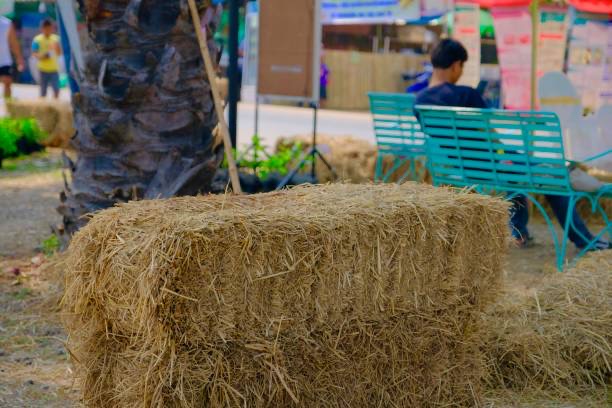
In the competitive landscape of Australian agriculture, maximising harvest efficiency is critical for profitability and sustainability. A key, yet often overlooked, factor contributing to improved productivity on farms is the choice of baler twine Australia. This case study explores how several Australian farms significantly enhanced their harvest processes by switching to high-quality baler twine. The results demonstrate not only increased operational efficiency but also long-term cost savings and environmental benefits.
The Importance of Baler Twine in Australian Farming
Baler twine Australia has been a staple in hay and straw baling operations, providing the necessary strength and durability to secure bales effectively. However, not all baler twine is created equal. Farms using inferior twine often experience higher incidences of bale failure, machine downtime, and increased labour costs. Given the vast scale of agricultural operations across Australia — from the wheat belts of Western Australia to the grazing lands of New South Wales — the reliability of baler twine directly influences harvest outcomes.
Challenges Faced by Australian Farms Before Switching Twine
Many farms previously struggled with baler twine that lacked sufficient tensile strength or UV resistance. This often resulted in broken twine during baling or storage, causing loose or damaged bales that reduced feed quality and increased waste. In regions with intense sunlight and harsh weather conditions, baler twine degradation was a common issue, leading to costly replacements and operational delays.
One mid-sized farm in Victoria reported losing up to 15% of its harvested hay due to poor bale integrity. This loss was not only financially damaging but also environmentally detrimental, as wasted feed contributed to unnecessary resource use and disposal issues.
Selecting High-Quality Baler Twine: Criteria and Benefits
The farms involved in this case study opted to invest in premium baler twine characterised by:
- Enhanced tensile strength: Ensuring the twine can withstand the mechanical stress of high-speed balers.
- UV and weather resistance: Prolonging twine life during outdoor storage and reducing degradation.
- Consistent diameter and quality: Guaranteeing smooth operation with minimal machine jams or twine breakage.
By choosing baler twine Australia products that met these criteria, farms aimed to reduce bale failure rates and improve machine efficiency.
Impact on Harvest Efficiency and Cost Savings
Switching to high-quality baler twine resulted in measurable improvements across multiple farms:
- Reduced downtime: The incidence of twine-related baler stoppages dropped by over 40%, allowing operators to maintain a steady workflow during critical harvest windows.
- Improved bale quality: Bales were more securely tied, maintaining shape and density, which in turn preserved feed quality.
- Lower twine consumption: Superior strength meant thinner twine could be used without compromising performance, reducing material costs by approximately 10%.
- Environmental benefits: Less twine waste and fewer damaged bales contributed to a smaller environmental footprint.
One large grain and livestock farm in Queensland reported that the adoption of better baler twine allowed their harvest crews to finish baling 20% faster than in previous years. This efficiency gain translated into lower labour expenses and the ability to capture more timely harvest windows, especially important when weather conditions are unpredictable.
Case Example: A Victorian Farm’s Success Story
A family-owned farm in Victoria implemented a switch to premium baler twine in Australia during the 2023 harvest season. Prior to the change, they faced frequent twine breaks that caused costly delays and damaged up to 12% of their hay bales. After switching, they experienced:
- Near-elimination of twine breakage.
- A 25% reduction in baler maintenance costs, as smoother operation meant less strain on machinery.
- Enhanced bale storage, with bales maintaining integrity during long-term outdoor storage.
Why Australian Farmers Should Prioritise Quality in Baler Twine
The diverse and often challenging Australian climate demands baler twine that can withstand heat, UV exposure, and mechanical stress. Farmers who prioritise quality in their baler twine choice benefit from smoother operations, lower costs, and improved product quality.
Moreover, the evolving technology behind baler twine production means that Australian farms now have access to materials engineered for peak performance under local conditions. Whether operating in the dry interior or the wetter coastal regions, selecting baler twine suited to these environments is a strategic decision with long-term benefits.
Conclusion: The Strategic Advantage of Premium Baler Twine
This case study illustrates that investing in high-quality baler twine in Australia is a straightforward yet impactful way to boost harvest efficiency. Farms across the country are seeing improved bale integrity, less downtime, and better overall cost-effectiveness by upgrading their twine.
As Australian agriculture continues to modernise and optimise for both economic and environmental sustainability, the choice of baler twine should be viewed as a critical component of harvest strategy—not merely an operational detail.
By focusing on premium materials explicitly designed for Australian conditions, farmers can safeguard their harvests, reduce waste, and increase profitability season after season.
If you are an Australian farmer or agribusiness seeking to improve your baling operations, consider evaluating the quality of your baler twine. The evidence is clear: superior baler twine offers a competitive edge that translates directly into harvest success.