White goods refer to large kitchen appliances, like refrigerators and ovens, usually produced by household appliance manufacturers and sold with claims of being energy-efficient and durable. Furthermore, they often boast intelligent features and functionality for optimal use in everyday life.
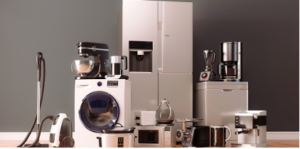 Regular testing of white appliances, particularly as their warranties near expiry, is advised to reduce repair bills and save money on repair bills.
Residential
Residential white goods Perth refers to household appliances like fridge-freezers, washing machines and tumble dryers that landlords do not have to supply but may find advantageous in drawing in higher quality tenants. While landlords are not required to offer this equipment as part of their rental property package, providing these appliances can make the property more desirable and increase rental returns.
White goods offer tenants many advantages beyond cost savings: energy efficiency and handling large loads are two key considerations when renting white appliances; maintenance is key to ensure these appliances continue operating safely; there have been reports in the press regarding fires caused by faulty tumble dryers, washers and fridge-freezers; the law states that all electrical devices given out must meet safety criteria before being handed out to tenants.
The residential white goods market has been propelled forward by technological advancements and rising disposable income levels. Many manufacturers are developing smart home appliances compatible with the Internet and mobile connectivity to reduce the workload burden, with people seeking ways to simplify their lives – and as a result, residential white goods are expected to continue their upward trajectory shortly.
Commercial
Commercial white goods refer to any electrical appliance that does not use refrigerants in its refrigeration system, including freezers, refrigerators, water heaters, air conditioners and washing machines. While residential appliances tend to be smaller and cheaper than their commercial counterparts, commercial appliances serve many uses, from cooking to food preservation to energy efficiency.
State law in North Carolina forbids white goods Perth from being disposed of in landfills, and their collection costs are not factored into county solid waste collection programs funded through property taxes or utility bill fees. White goods tax distributions may be used to cover operating costs associated with managing white goods, such as employee salaries and training expenses (only if employees touch white goods, known as the “touch it rule”), fuel, equipment maintenance and repairs (white goods inventory/repair, weighmaster activities/supervision activities), equipment (such as skid steers, front loaders grappling/knuckle boom loaders/heavy machinery etc.), as well as illegal dump cleanup costs.
White goods disposal taxes are collected and distributed to counties by the Department of Revenue at $3 per new white good (excluding any with chlorofluorocarbon refrigerants ) sold retail. Businesses and persons collecting the tax should register online using the Business Registration Portal before reporting any amounts collected via Form E-500H to report these returns to Revenue.
Industrial
As more people move to urban areas for better living standards, demand for white goods like air conditioners, refrigerators and washing machines increases exponentially. Unfortunately, such appliances adversely impact the environment by emitting greenhouse gases contributing to ozone loss and global warming; however, manufacturers are developing eco-friendly products that use less energy while meeting improved safety standards.
White goods have many applications in industry, such as hotels and restaurants, hospitals, dry cleaners and cleaning agencies, and facilities. White goods can help save time by eliminating mundane and laborious tasks like washing dishes or drying clothes while improving health conditions and decreasing environmental pollution.
The white goods market is growing because of multiple factors, including technological advancements in household appliances, lifestyle improvements and rising disposable income levels, home renovation spending increases and consumers replacing older appliances with newer models – growth expected to continue into the forecast period.
India is a key manufacturing centre and home to various white goods production companies such as LG and Godrej, both offering white goods production facilities. Manufacturing here benefits from skilled workers and favourable business environments, while its extensive distribution network of supermarkets and hypermarkets provides access to various household appliances and white goods.
Fridges, dishwashers, washing machines and tumble dryers are examples of White Goods – large household appliances traditionally available in white but can now be bought in various colours. They are different to plumbing fixtures which are considered brown goods.
As a landlord, you are responsible for testing white goods for electrical safety before renting out properties. You can use Choice, an independent organisation that tests various appliances.
 Located within the new City of Playford suburbs of Parafield and Munno Para, the retail hubs are Leyton Property’s first foray into Large Format Retail (LFR) which has experienced record-low vacancy rates nationally. This tightening market has been fueled by retailers’ demand to expand their presence in the fast-growing area. The development partners have partnered with construction companies Bella Build for the Parafield site and Sagle Constructions for the Munno Parasite. Both projects are due for completion later this year, with several high-profile tenants already secured, including RSEA Safety, BCF, Petbarn, Toymate, and Revo Fitness.
 Gibson responded to the rise of Hawaiian-style music during the 1930s by producing Hawaiian electric guitars equipped with magnetic pickups that amplified string vibrations – these models quickly became extremely popular among Hawaiian musicians, leading to increased sales for Gibson.
 Medical facilities need specialised linen services that meet high sanitisation standards while adhering to tight budget constraints. Furthermore, these linens require special handling during transportation.
 Roof hatches that are left open expose workers to falling debris and equipment that can be hazardous without harnesses and fall protection. Various options to help mitigate this hazard include self-closing doors or offsets that prevent workers from falling into an open hatch, with railings added for additional coverage.
 Ziptrak blinds stand apart from traditional track-guided blinds by offering the ability to lock when fully down, protecting from high winds and UV rays. This patented locking mechanism makes possible due to having blind fabric directly welded onto each spline tape running along each side of the track rather than being attached directly to a bottom bar like other crank blinds do.
 Work boots are the footwear of choice for a variety of industries. They can be made from various materials, but they must meet certain standards to protect employees against hazards that may arise in their job.
 Are you searching for paint protection that will last years and
 Examining the building codes that apply to these new apartments Orewa is necessary to understand what’s driving this trend. These codes ensure these buildings are secure and blend in with their surrounding environment.
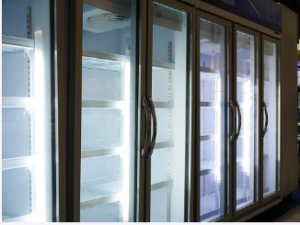 The pharmaceutical industry is a vast and intricate enterprise that needs industrial refrigeration systems to keep raw materials, intermediates, and final products at the desired temperatures. This type of task demands reliable and